Case Studies Industry Technology
Fiber Sensing Service on Existing Telecom Fiber: What ITU-T G.681 Changes

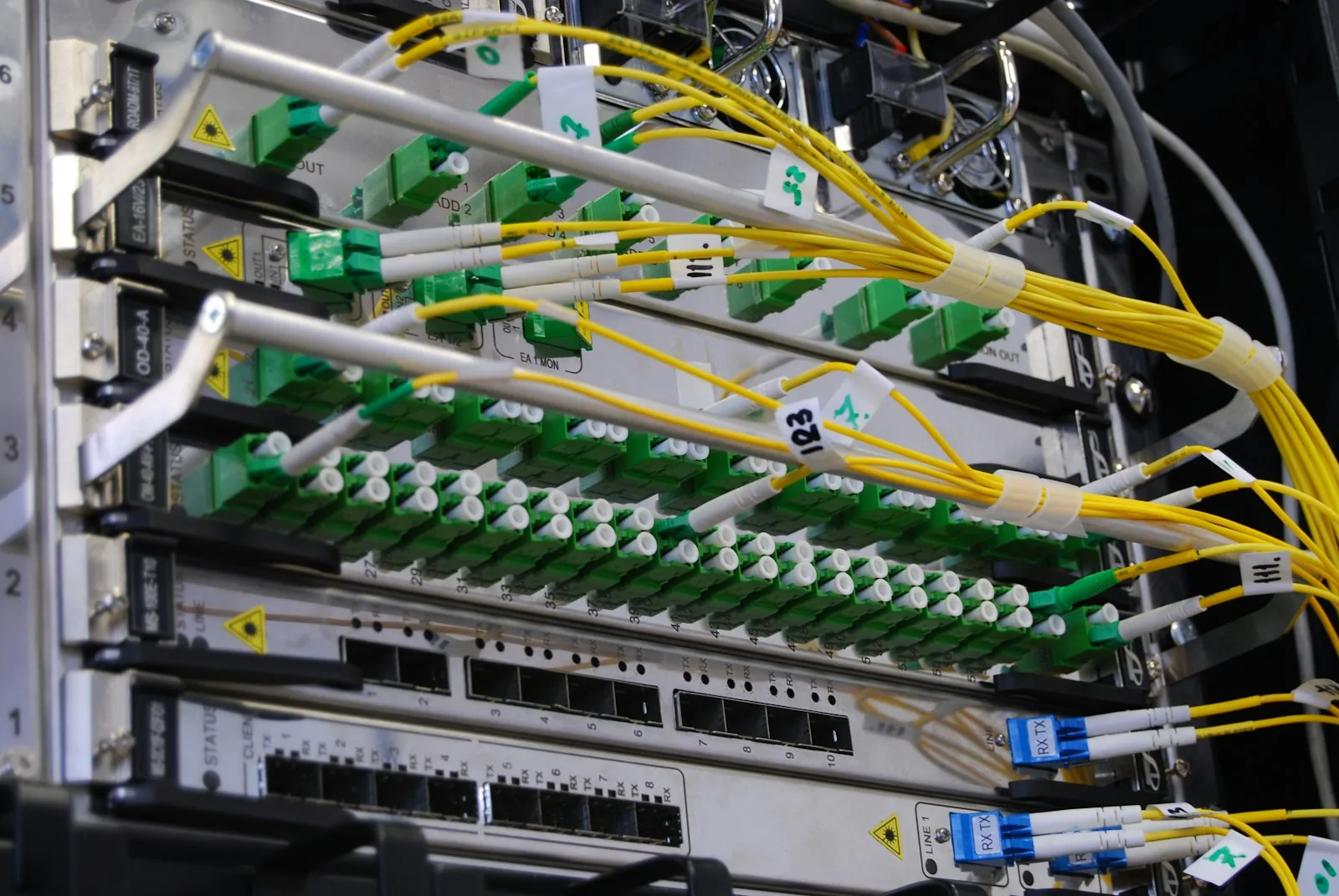
Peru’s transport ministry says the national fiber backbone is underused, and it will decide by November who runs it. According to RPP, the Red Dorsal Nacional de Fibra Óptica used less than 10% of its capacity and links 22 regional capitals. The options on the table are state control, a third-party operator or a concession. For any network owner in that position, a fiber sensing service is a fair question to ask.
To be clear, no sensing project on the Dorsal has been announced. We also have not found a published sensing project on operator fiber elsewhere in Latin America. Therefore, this article treats the idea as an opportunity and not as a case study. However, two developments make it more concrete than before: a new international standard and a wave of operator consolidation.
Below, we cover what the model sells, what the standard changes, what distributed acoustic sensing (DAS) can measure on telecom cable, and how to test a route before investing.
What a Fiber Sensing Service Sells
The Fiber Broadband Association published a report in May 2026 called “An Introduction to Distributed Fiber Optic Sensing for Fiber Network Operators”. It describes a model it names Fiber Sensing as a Service. In this model, the operator earns recurring revenue from fiber that is already deployed.
The operator keeps the fiber for traffic. In addition, it connects sensing equipment and sells the resulting information about what happens along the route. The association also presents threat detection as a breakout use case for fiber networks.
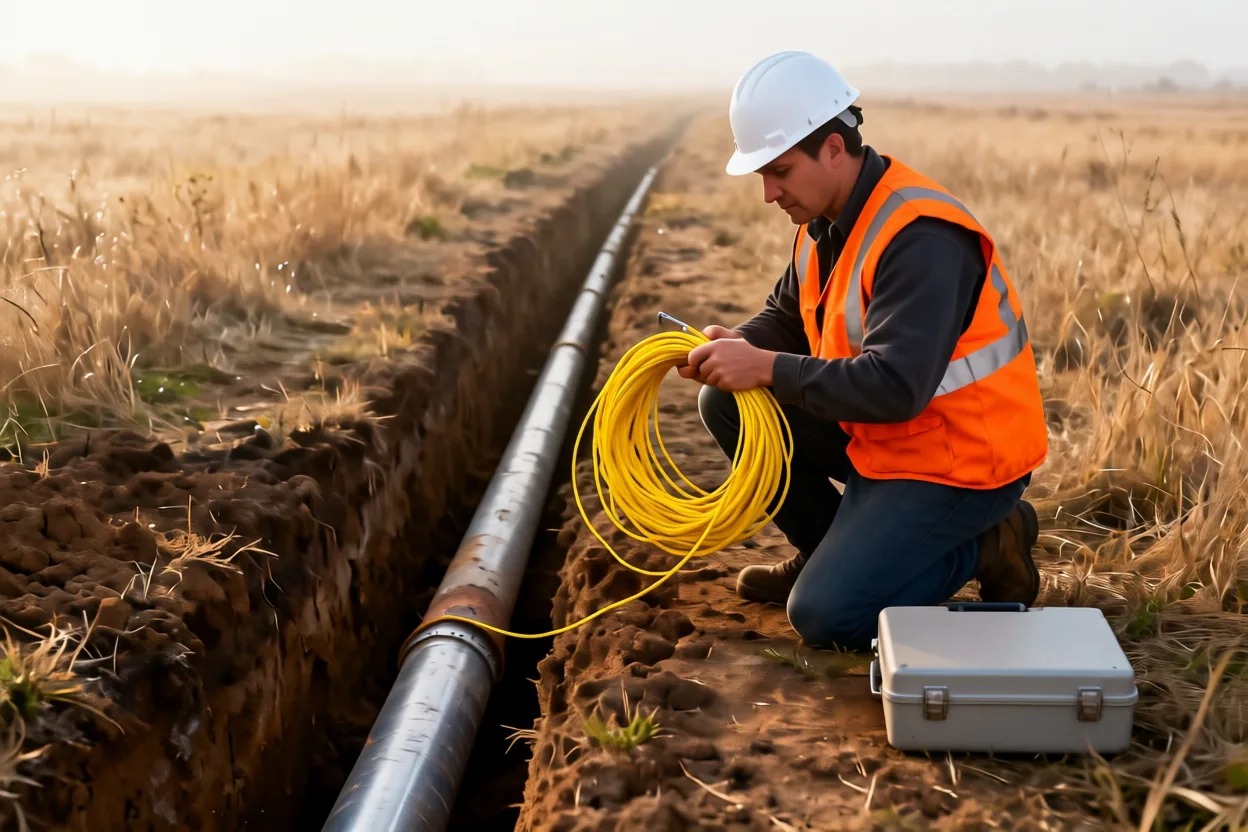
For example, a pipeline operator, a utility or a facility with a long perimeter could buy event data from an existing route. That could replace the need to lay a dedicated cable. Whether it does depends on the route, which we discuss below.
Why Operator Consolidation Puts Idle Fiber in Focus
TeleSemana reports a new wave of consolidation among fiber ISPs in Latin America. Peru closed with 4.38 million fixed connections, and 82.47% of them are fiber. Claro leads with 24.5% and Movistar/Integratel follows with 24.34%. In Brazil, Anatel said in May 2026 that consolidation may be considered a natural stage of maturation.
When operators merge, they inherit overlapping fiber. Some of it carries traffic and some of it does not. Therefore, the question of how to earn more from the physical asset becomes a planning question, not only a technical one. A sensing service is one possible answer. It is not the only one.
What ITU-T G.681 Changes for Sensing on Live Fiber
Recommendation ITU-T G.681 covers distributed fibre optic sensing systems for terrestrial optical transmission systems. ITU approved it on 29 November 2025, and it is in force. The PDF came out on 20 March 2026 in English, French and Spanish. It describes configurations both in band and out of band.
It is the first international standard for coexistence with live traffic. As a result, a Latin American operator now has a technical and contractual reference. For example, a sensing proposal can cite the recommendation when it explains how the sensing signal shares a system with service traffic. That lowers the perceived risk of sensing on fiber in service.
However, a standard does not guarantee performance on a given route. We recommend reading the full text before committing to a configuration. The standard sets the framework, but the route sets the result.
What DAS Can and Cannot Do on Telecom Cable
An arXiv review by Awwad et al. examines Rayleigh-based DAS over deployed telecom networks. It notes that continuous-wave probes with constant power let DAS and data share the same fiber. That supports the technical case for sensing on existing fiber.
The same paper is direct about the limits. The mechanical coupling between fiber, cable and surroundings shapes how you interpret the signal. Laser phase noise is another constraint. In practice, two routes with similar fiber can give different results. Therefore, a feasibility assessment on the actual route matters more than a datasheet.
Vendors are also widening what one instrument covers. AP Sensing introduced the DAS N56-Series on 29 September 2026. According to the vendor’s listing, its dual-channel architecture monitors two independent fiber routes at once, and it targets pipelines and other infrastructure. Check the specifications with the manufacturer before you design around them.
How to Assess a Route Before Committing
A route assessment should answer a short list of questions before any capital is committed.
- Which fibers are spare and which carry live traffic, and does the plan use in-band or out-of-band operation as G.681 describes?
- How is the cable installed, and how well does it couple to its surroundings?
- Which events matter on this route, and who would pay for that information?
- Who governs the fiber, and does the contract allow a second use?
BiiSensing is the first company in Latin America operating in fiber optic sensing, with its own technical capacity. We offer a feasibility assessment of a route, proofs of concept on fiber that is already installed, and support from the field survey to commissioning. Timelines and costs depend on the route, so we define them after the assessment. You can review the solutions and products we work with.
Where to Start
If you manage fiber with spare capacity, start with one route and one clear use case. Pick a segment where an event such as third-party interference or intrusion has a cost today. Then test on installed fiber before you design anything new.
In Peru, the November decision will show whether the governance of the Red Dorsal leaves room for a second use of the fiber. Therefore, operators and ministries should put sensing into that discussion now, not after the model is set. To discuss a specific route, contact the BiiSensing team.
Frequently asked questions
What is a fiber sensing service?
It is a model in which a network operator keeps its fiber for traffic, connects sensing equipment and sells the resulting information about what happens along the route, earning recurring revenue from fiber that is already deployed. A pipeline operator, a utility or a facility with a long perimeter could buy event data from an existing route.
What does ITU-T G.681 change for sensing on live fiber?
Recommendation ITU-T G.681 covers distributed fibre optic sensing systems for terrestrial optical transmission systems, with configurations both in band and out of band. It is the first international standard for coexistence with live traffic, so a sensing proposal can cite it. The standard sets the framework, but the route sets the result.
Can DAS share a fiber with live data traffic?
Research on Rayleigh-based DAS over deployed telecom networks notes that continuous-wave probes with constant power let DAS and data share the same fiber. The limits are real: mechanical coupling between fiber, cable and surroundings shapes the signal, and laser phase noise is another constraint, so two similar routes can give different results.
How should an operator assess a route before investing?
By answering four questions first: which fibers are spare and which carry live traffic; how the cable is installed and how well it couples to its surroundings; which events matter on the route and who would pay for that information; and who governs the fiber, and whether the contract allows a second use.