Railway Fiber Optic Sensing Gets a Real Data Point From HBK’s ARGOS NewLight


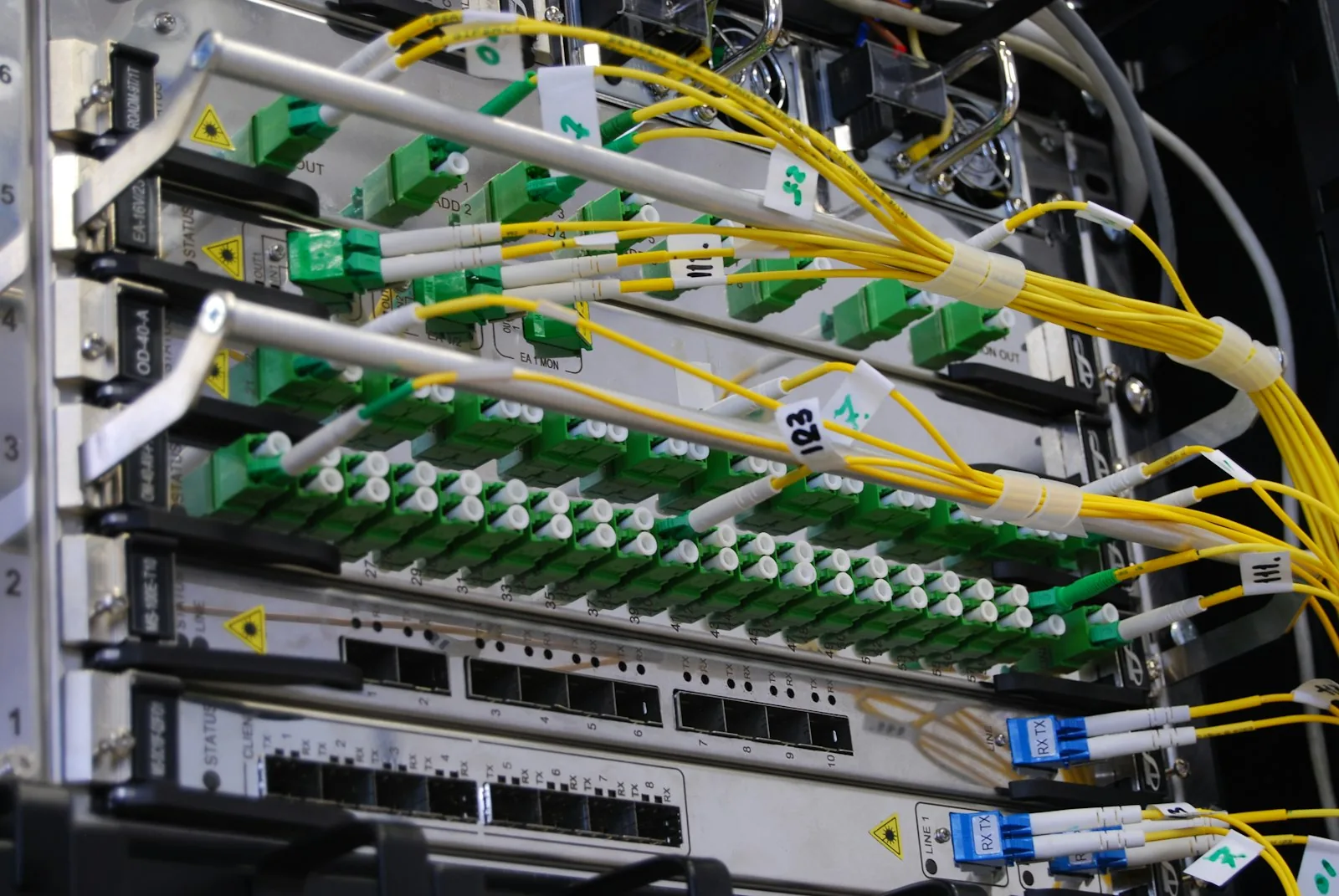
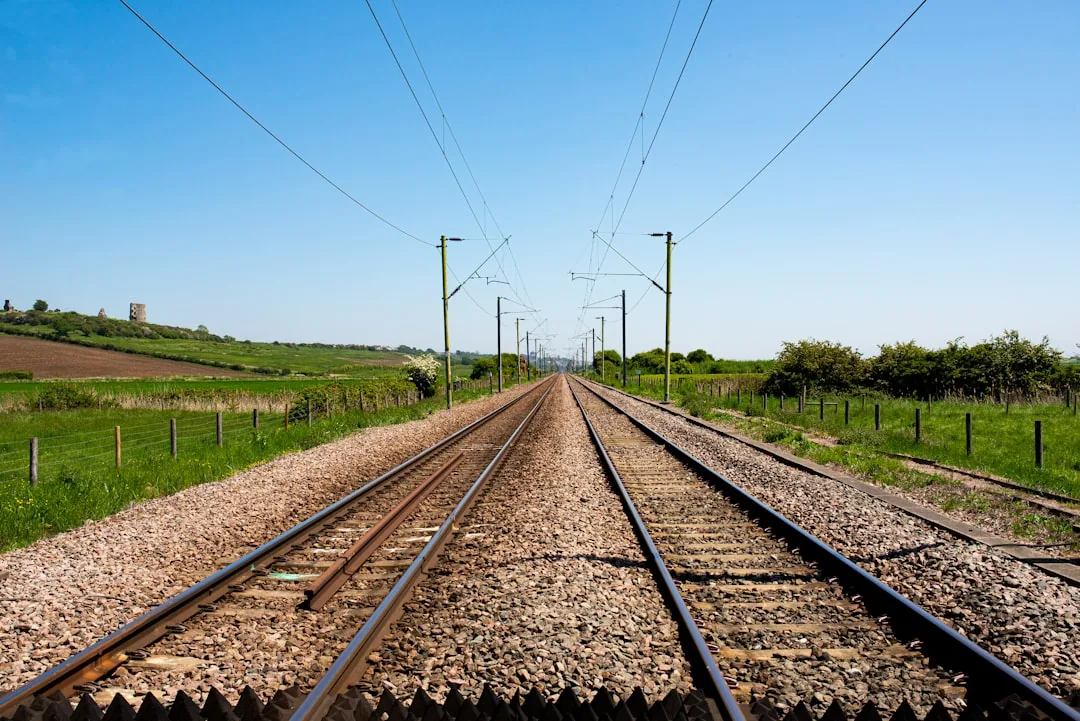
On September 4, 2026, instrumentation maker HBK announced ARGOS NewLight, a fiber optic sensor layer built for railway infrastructure. The system uses Fiber Bragg Grating (FBG) technology. HBK will show it at InnoTrans 2026 in Berlin, running September 22 to 25. This matters because railway fiber optic sensing has stayed on the sidelines. Instead, pipelines, transmission lines, and tailings dams got most of the attention from sensing vendors.
HBK’s pitch targets a specific problem. Rail networks face more traffic, older infrastructure, and tighter maintenance budgets at the same time. According to RegioTrans, ARGOS NewLight extends HBK’s existing ARGOS platform with fiber sensors. The goal is predictive maintenance data for operators who do not want to replace their monitoring architecture.
Why Railway Fiber Optic Sensing Is Catching Up
Distributed and quasi-distributed fiber sensing has already proven itself in oil and gas. For example, operators use it to detect leaks and third-party intrusion along thousands of kilometers of pipe. Rail has lagged for a simple reason: track geometry, wheel loads, and rail temperature change constantly under traffic. As a result, a sensing layer has to filter out normal operating noise before it can flag anything real.
HBK’s answer is to attach the sensing question to a narrower one. Can fiber optic sensors read wheel and rail condition well enough to replace or supplement wayside sensors and manual inspection? That is a more contained problem than full-corridor intrusion detection. Therefore, it may explain why a large instrumentation vendor picked rail as its next application.

What ARGOS NewLight Actually Measures
The FBG layer sits on the ARGOS platform and reads strain and temperature changes along the fiber. Digital Engineering Magazin reports that HBK designed the sensors to be insensitive to electromagnetic interference. Therefore, this matters next to overhead catenary lines and signaling equipment. In addition, HBK says the layer removes some installation bottlenecks tied to conventional wayside sensors, since fiber runs along existing cable routes instead of requiring new trackside enclosures.
However, none of this makes ARGOS NewLight a distributed acoustic sensing (DAS) system in the sense that pipeline operators use the term. FBG sensors read discrete points along the fiber, not a continuous acoustic profile of the entire line. For a reader coming from oil and gas sensing, that distinction is worth keeping straight before comparing vendors.
The False Alarm Number Worth Checking
Every fiber sensing pitch mentions false alarm reduction. However, what is rarer is a number attached to a physical outcome. HBK told Digital Engineering Magazin that predictive use of its FBG data extended wheel life by more than 50%. The reported gain runs from roughly 1 million to 1.5 million kilometers, in a client application the company cited. That is a claim from the vendor, not an independent audit. However, it is specific enough that an operator could verify it against its own wheel-turning records.
False alarm reduction keeps surfacing as the central pain point across fiber sensing, and not just in rail. It came up again on September 2, when the Fiber Optic Sensing Association hosted a webinar on distributed temperature sensing (DTS). The topic was solar PV plants and underground power cables, with a panel that included Mark Horton of SAMM Technology. The application is different from rail. However, the underlying question is the same: how do you separate a real fault from routine thermal or mechanical noise.
The Standardization Gap Behind the Marketing Claims
A September 7 preprint helps explain why false alarm rates are still hard to compare across vendors and applications. Researchers led by Jannes Münchmeyer published SeisBench DAS, an open framework for distributed acoustic sensing data. Furthermore, it defines standard formats, metadata, and models. The paper argues that the field lacks interoperability between the machine learning methods different groups use to process fiber signals.
That gap matters for anyone evaluating a vendor’s false alarm claim. Without a shared benchmark, one company’s reduced false alarms and another’s may not measure the same thing. They may not even use the same conditions or the same baseline. Therefore, operators comparing rail, pipeline, or grid sensing proposals should ask what dataset and threshold definitions sit behind a reported reduction. A percentage alone does not answer that question.
What This Means for Operators Evaluating Fiber Sensing
ARGOS NewLight is not yet a deployed, third-party-audited system outside HBK’s own client references. It is a product launch ahead of a trade show. However, InnoTrans 2026 is where the technical detail will get a harder look. The audience there includes competing sensor vendors and rail operators who can ask pointed questions on the show floor.
For infrastructure teams outside rail, the useful takeaway is not the specific product. Instead, it is the pattern: fiber sensing keeps moving into narrower, better-defined problems. Full-corridor DAS on pipelines and point-based FBG sensing on rail assets are two versions of the same shift, because narrower problems are easier to validate. For example, before adopting any fiber sensing claim, ask for the baseline it was measured against. Ask whether the fiber is already installed or needs a new run, and ask how the vendor defines a false alarm in the first place. Those three questions apply whether the asset is a pipeline, a transmission line, or a rail line.
Evaluating a fiber optic sensing project on a specific pipeline, right-of-way, or rail corridor usually starts the same way. First comes a viability assessment of the fiber that already exists along the route. Then comes a proof of concept on a limited segment, before any wider rollout. That sequence, not the sensor spec sheet alone, is what tells an operations team whether a given technology fits its network. See our overview of fiber optic monitoring services and how a viability assessment for an existing fiber route typically starts.